Species Diversity and Biodiversity
Preserving Biodiversity – Creating Habitats
What does biodiversity mean, and how do we put it into practice?
Biodiversity refers to species diversity, genetic diversity, and the variability of ecosystems. The loss of this diversity is one of the greatest challenges of our time.
Together, by creating diverse habitats and implementing site-specific, multifaceted planting, we can turn your garden into what is known as a “stepping-stone habitat.” This creates a special place where you and other living creatures can find time to relax and recharge— whether by creating a new garden or redesigning an existing one using simple methods and resources found right on your property.
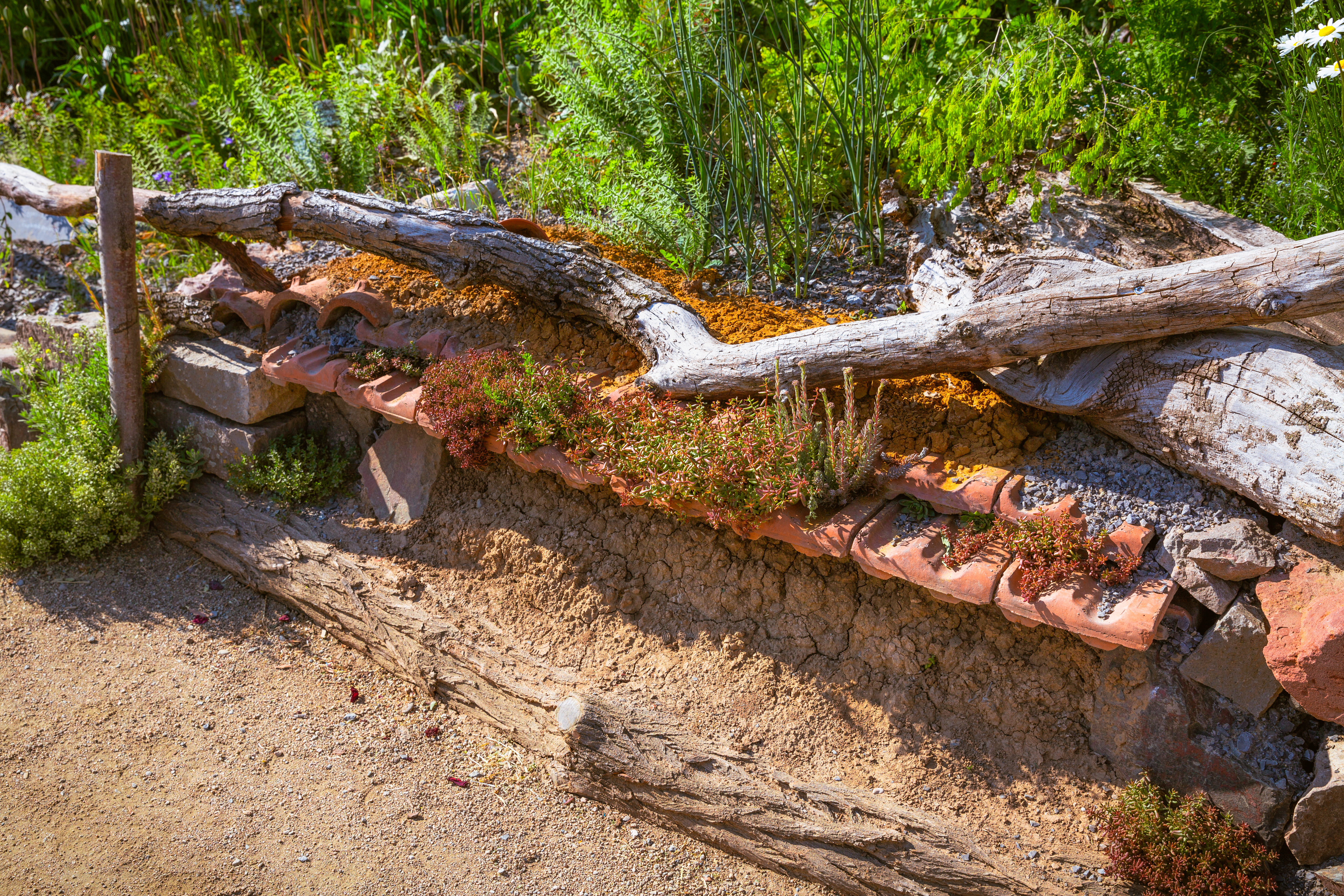
Even during the construction phase, opportunities can be created to promote biodiversity. For example, by building dry stone walls that provide habitat for lizards and small insects. Elements such as a “beetle cellar” or a “sandarium” also serve as important refuges for sand bees, earth bumblebees, and other creatures. Other ways to integrate diverse structures into your garden and create unused space for plants include green roofs, water biotopes, or native meadows.
Elements in the natural garden
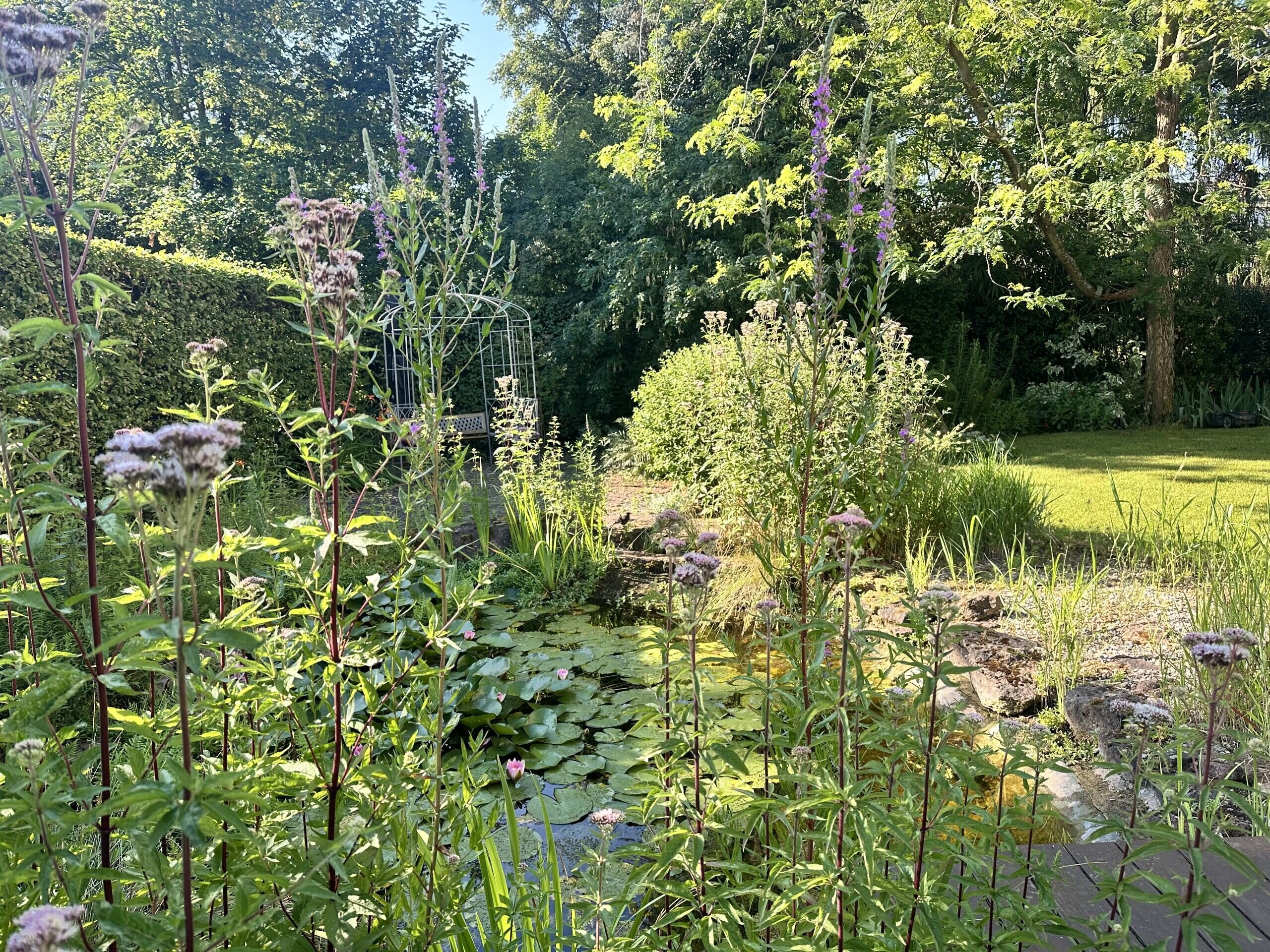
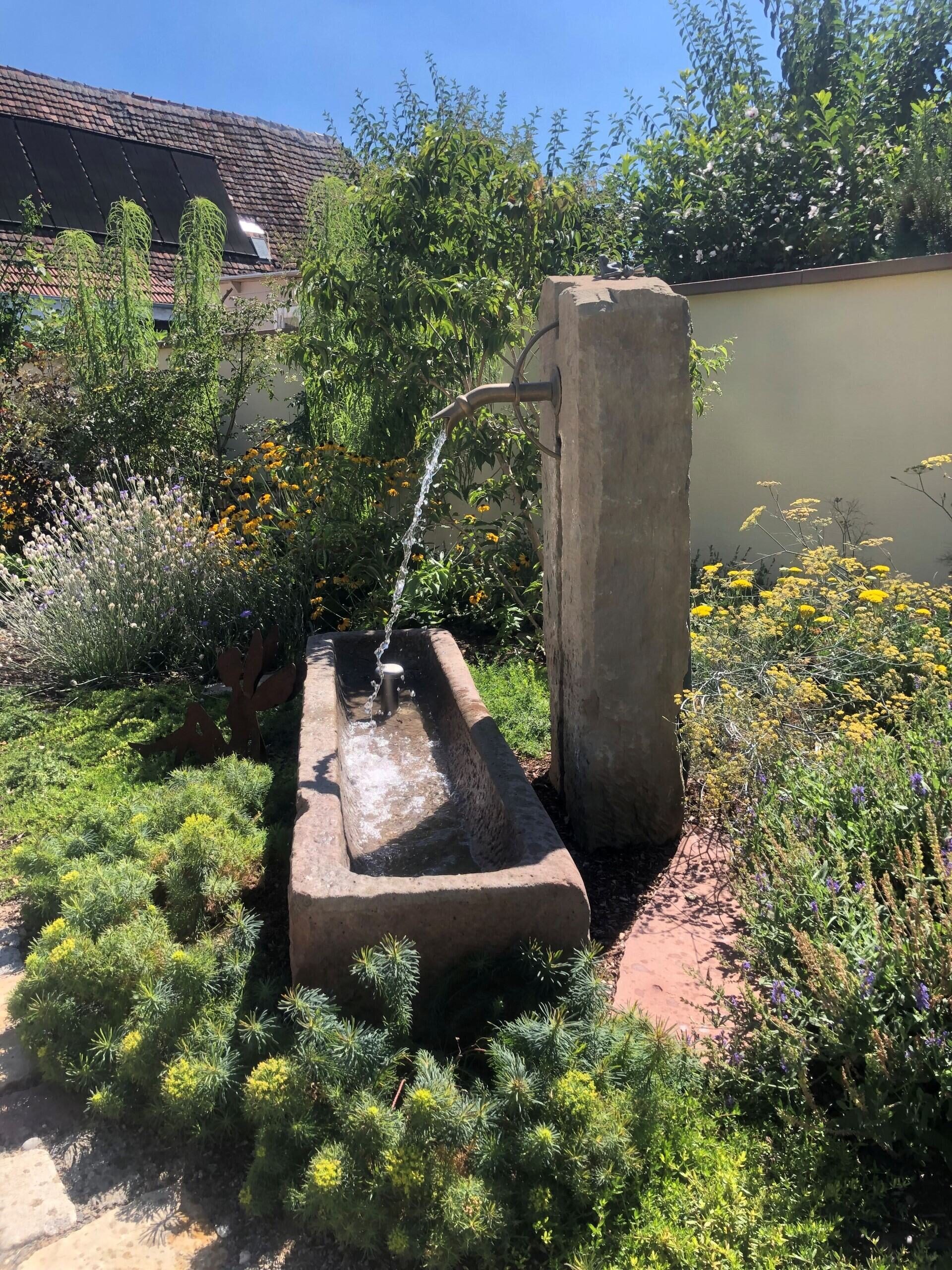
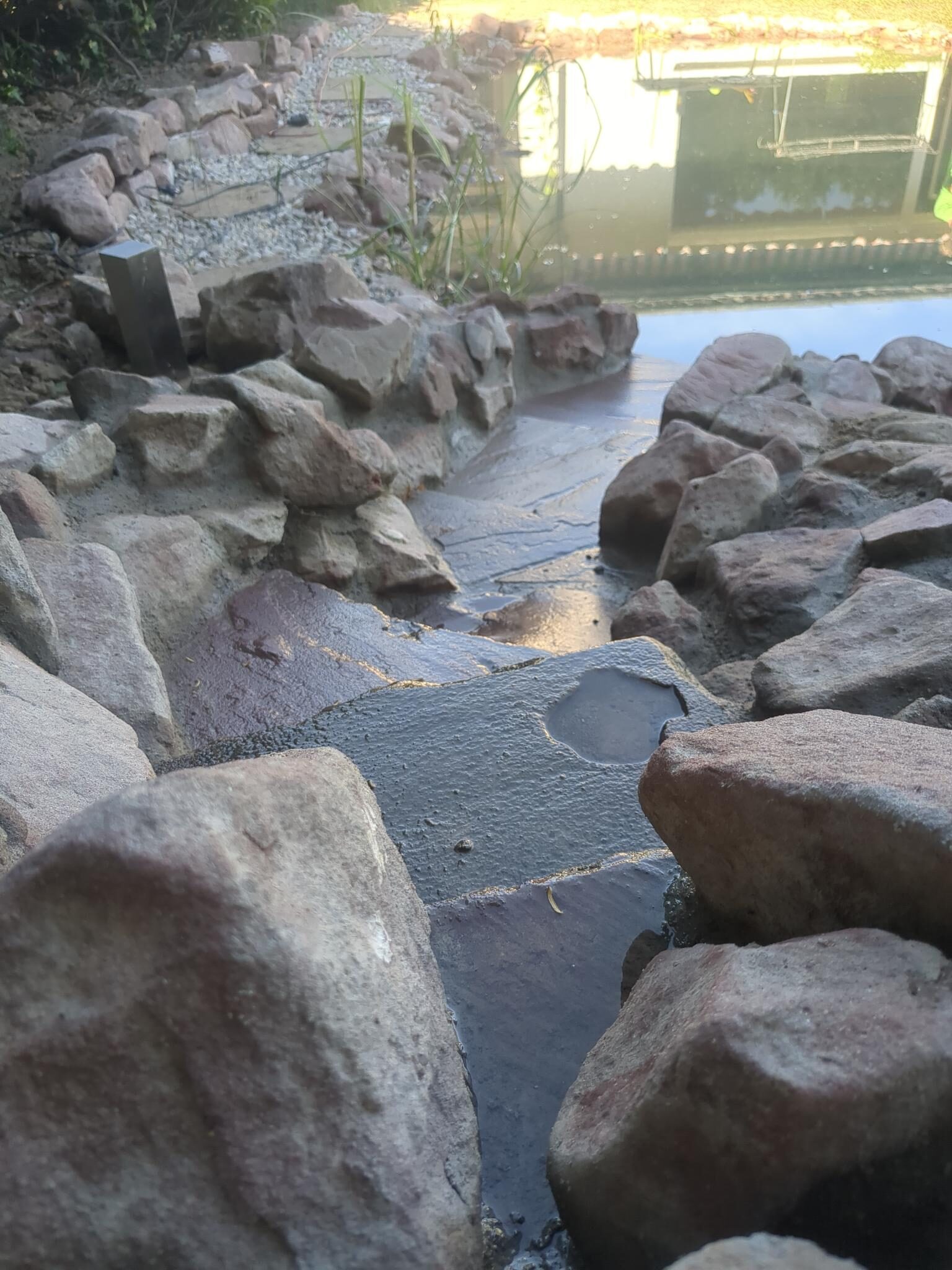
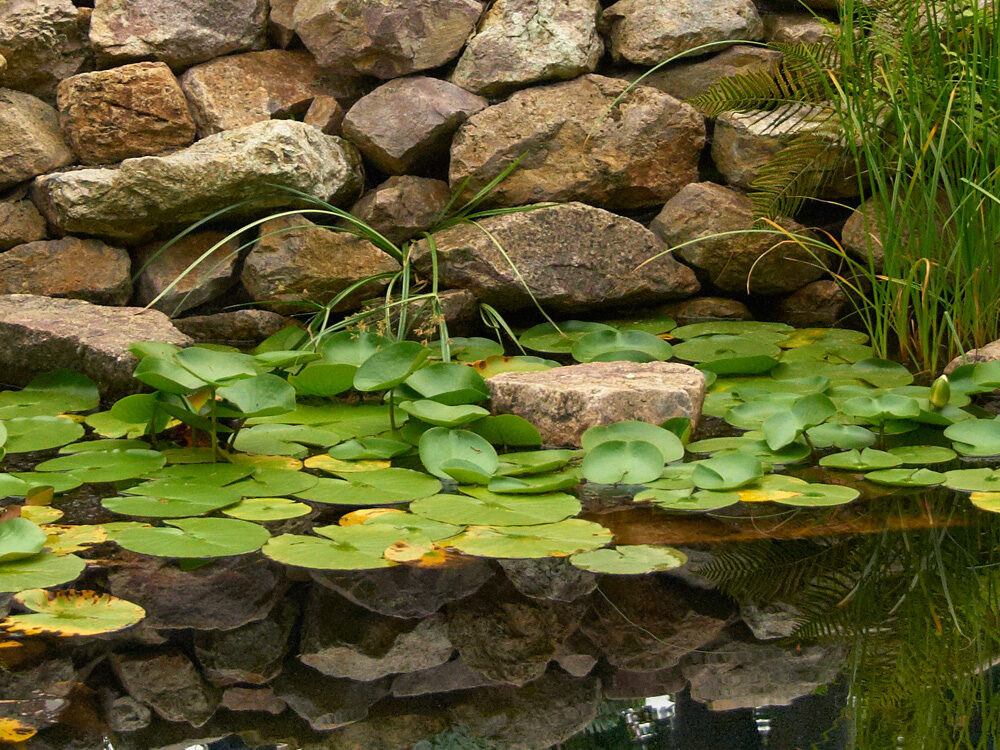
Often, even a small water feature is enough to provide birds, insects, amphibians, and plants with an additional habitat. But larger ponds are also very popular. No sooner has a new body of water been created than the first inhabitants begin to appear in the garden. Since water is a vital resource for both animals and humans, it plays a key role in increasing biodiversity in the garden. In addition, a properly sized water feature can positively influence a garden’s microclimate —especially on hot days—which benefits both people and animals.
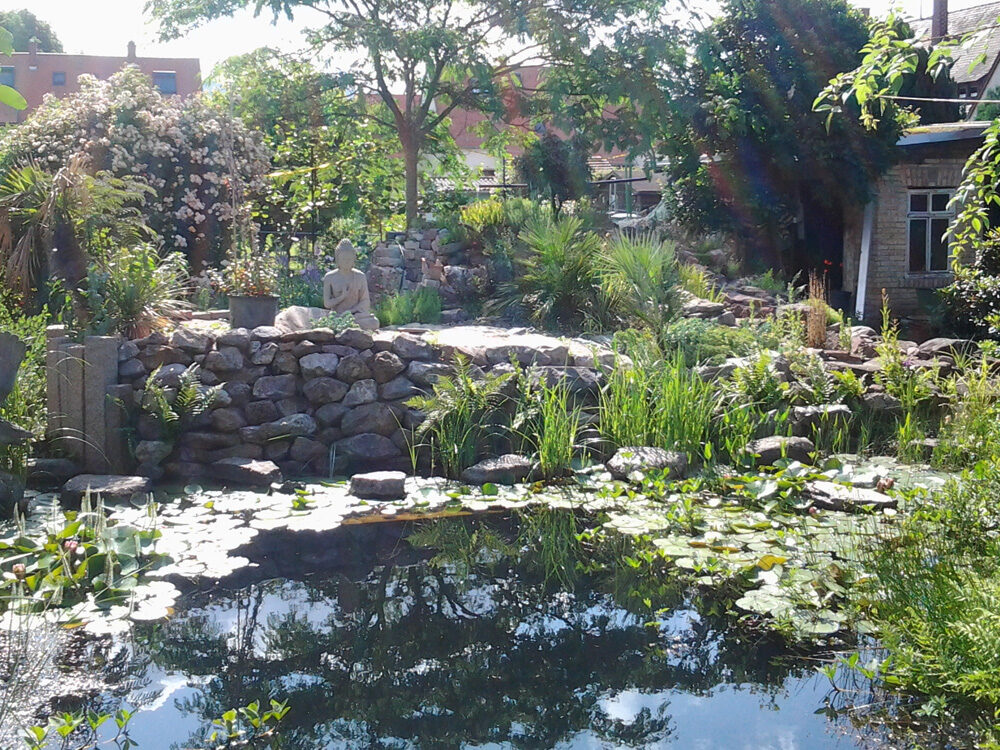
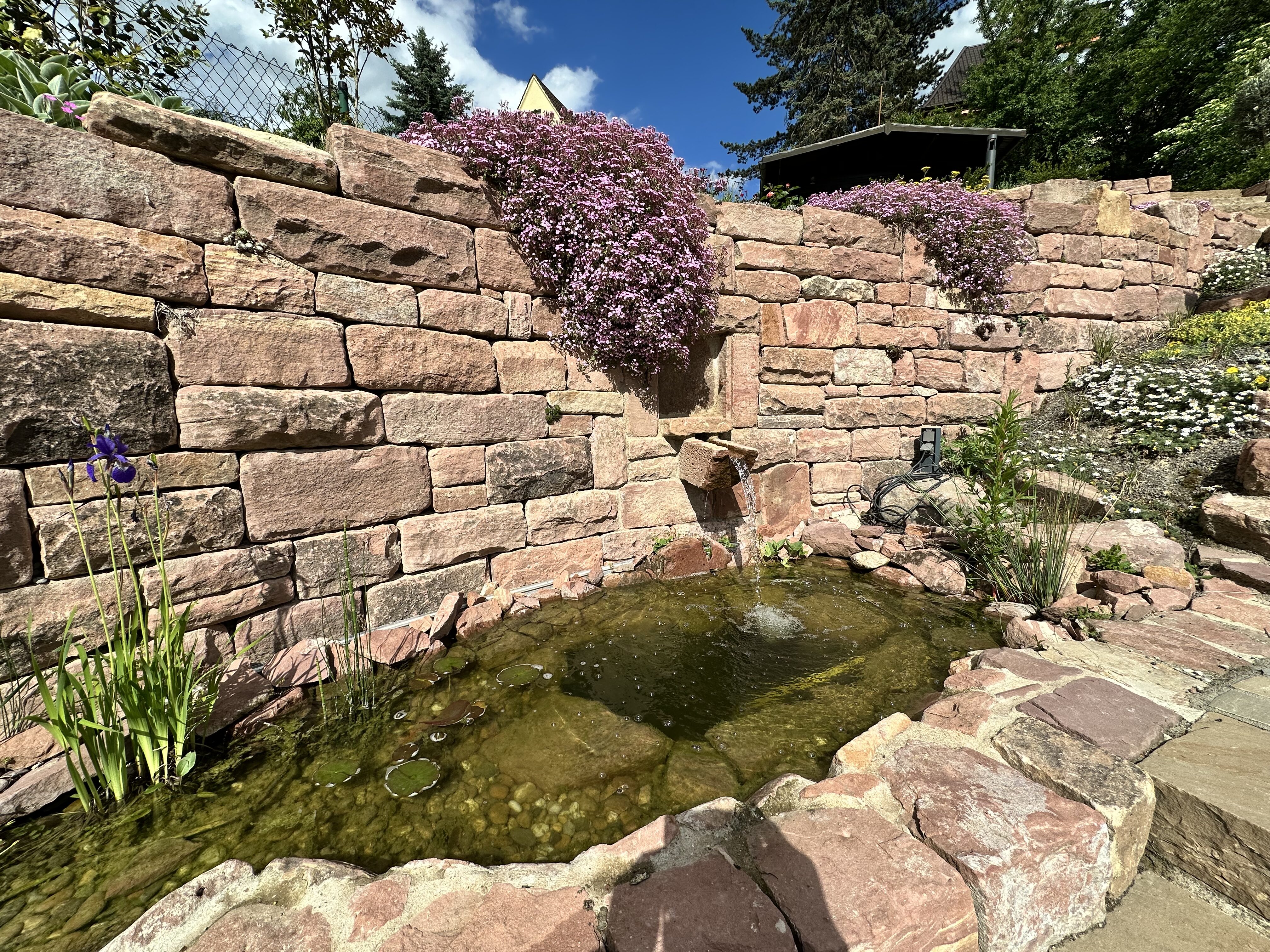
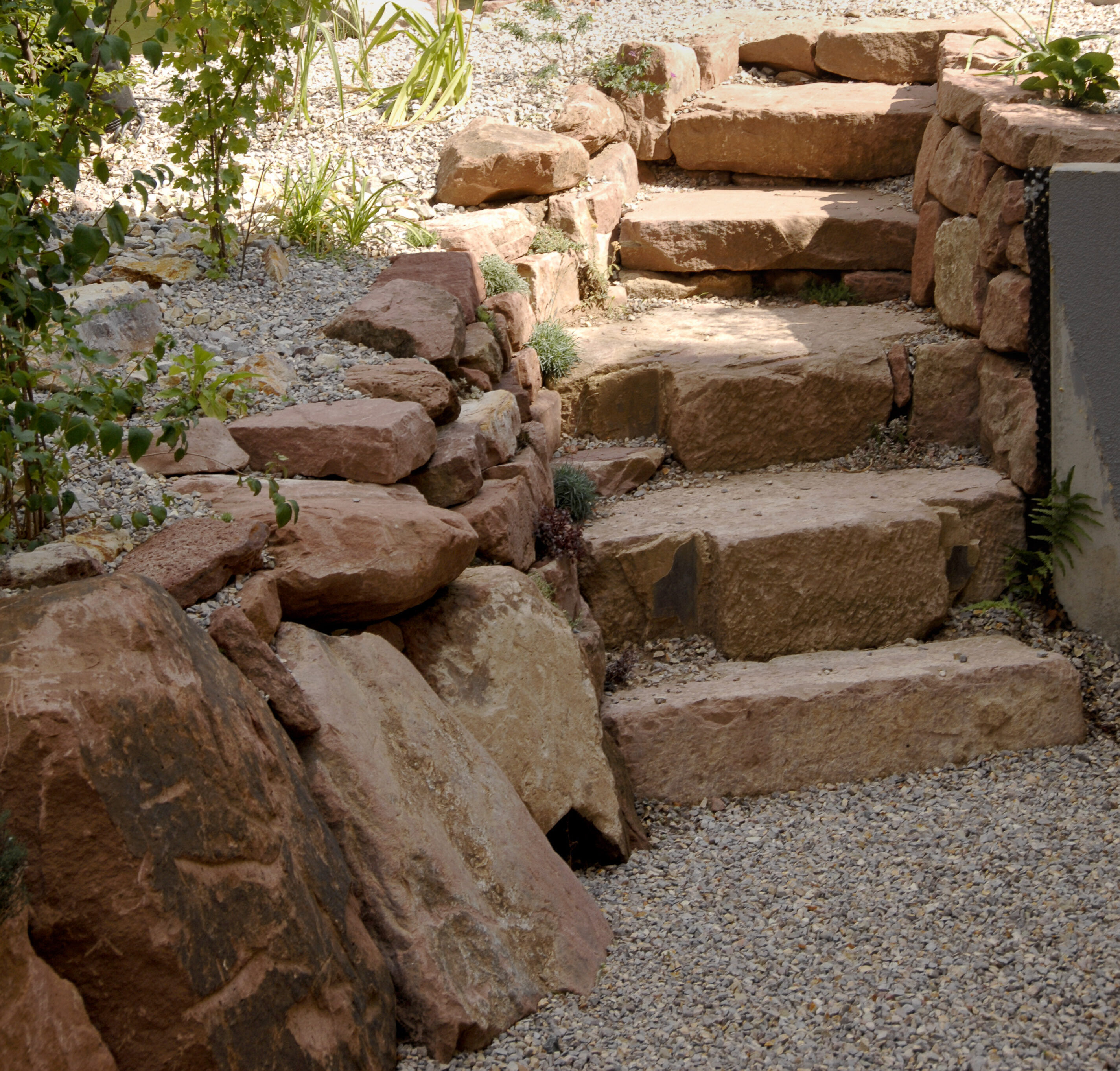
Dry stone walls lend gardens a timeless, natural aesthetic and blend harmoniously into the landscape. At the same time, their cavities provide valuable habitat for numerous animals and plants, such as lizards, insects, and mosses. In this way, they combine aesthetic beauty with an important contribution to promoting biodiversity.


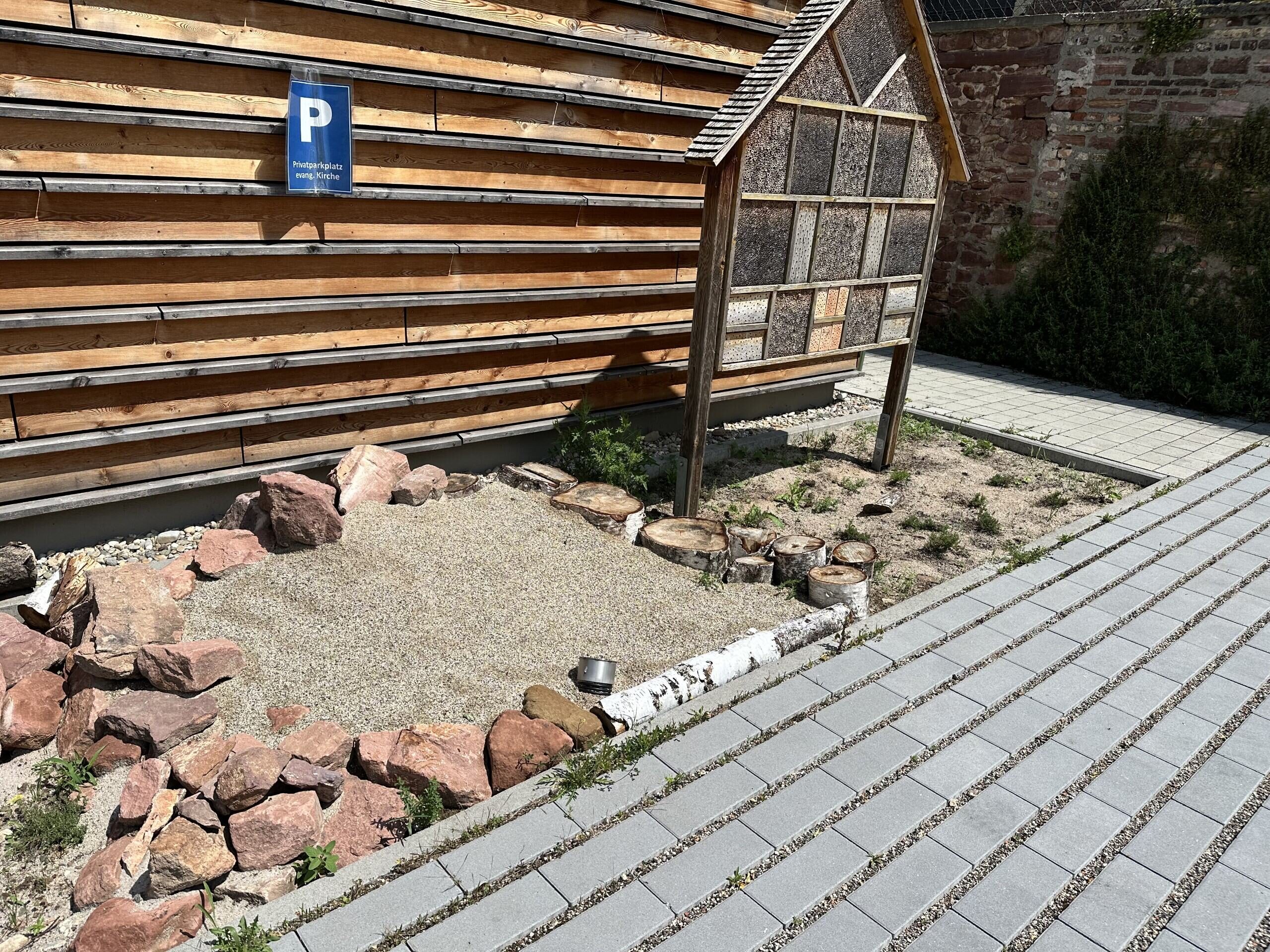
A sandarium provides an important habitat for wild bees. This type of habitat is now often rare in nature. This makes it all the more important for as many gardens as possible to include a sandarium in order to provide more nesting sites for wild bees. When combined with appropriate plantings that provide food for wild bees, these bees can once again more effectively fulfill their role as pollinators —and thus as an important part of the food chain.


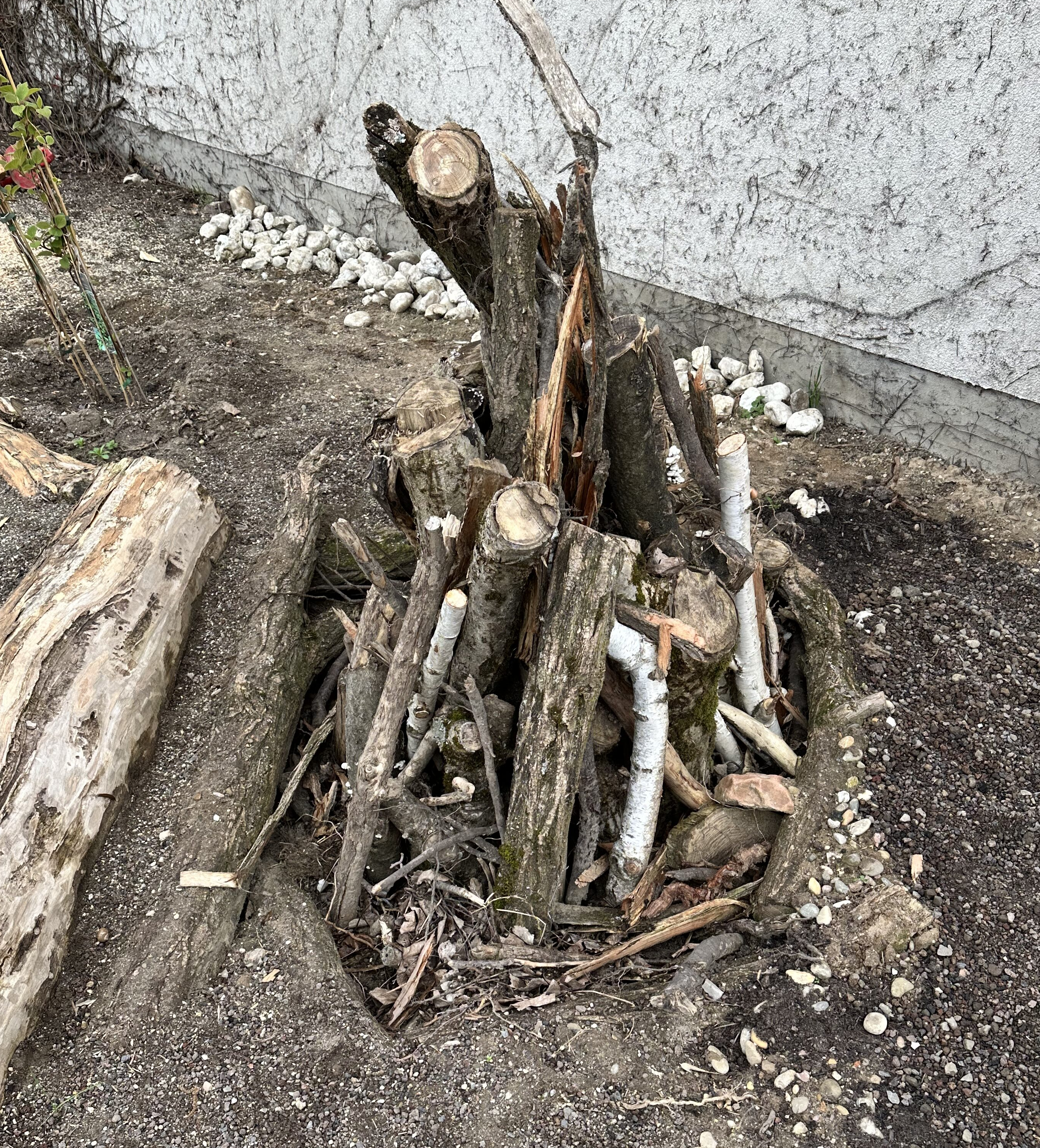
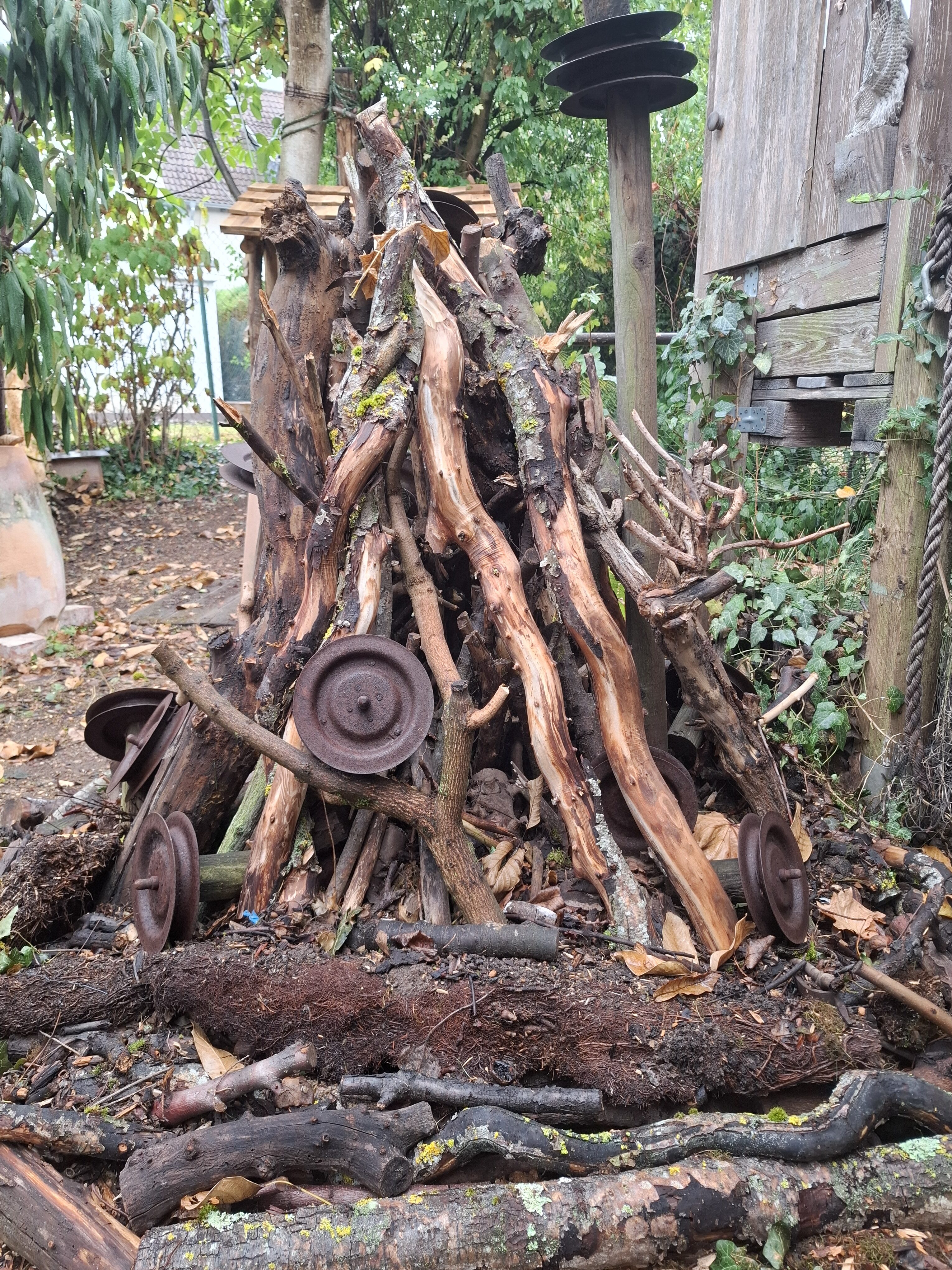
Dead wood is one of the most important habitats for insects and all kinds of microorganisms. This makes the “beetle cellar” a magnet for biodiversity, and its ecological importance is every bit as great as that of flowering plants and insect hotels. As a refuge and food source, it is an exciting and valuable addition to a natural garden.
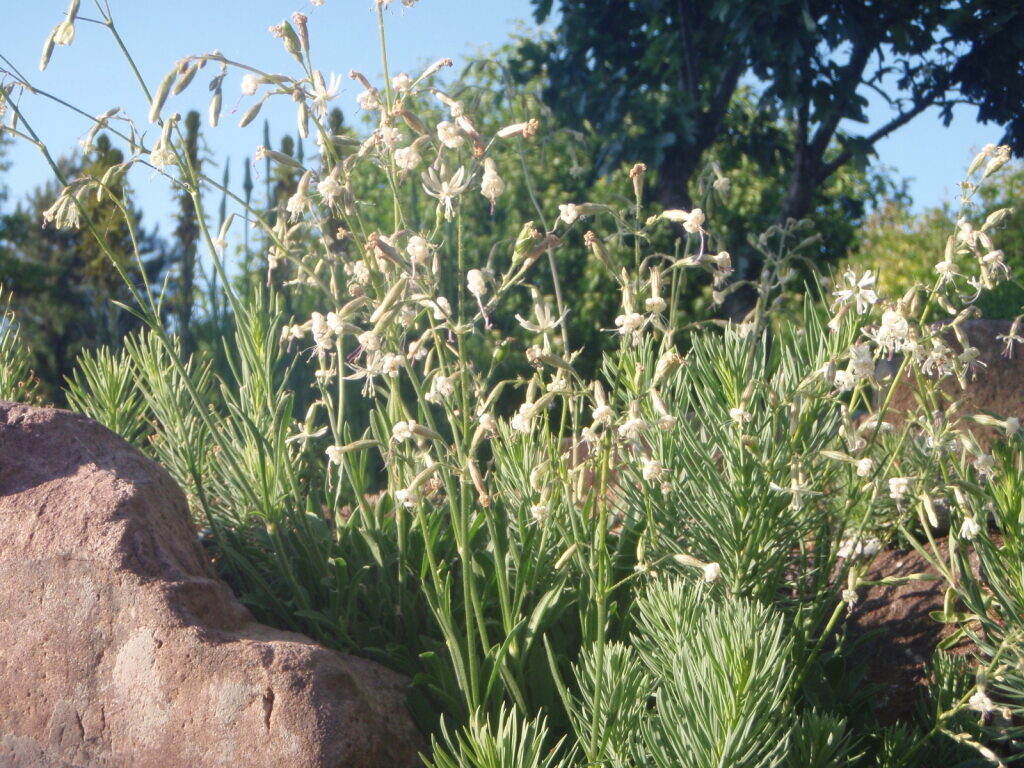
Planting is also an essential part of a natural garden. However, even in a natural garden, the plants should meet the needs of both animals and people. The plants used do not always have to be exclusively native. However, since many animal species native to this area rely on specific plants as a food source, a sufficient proportion of suitable plants should be present to provide an abundant food supply.

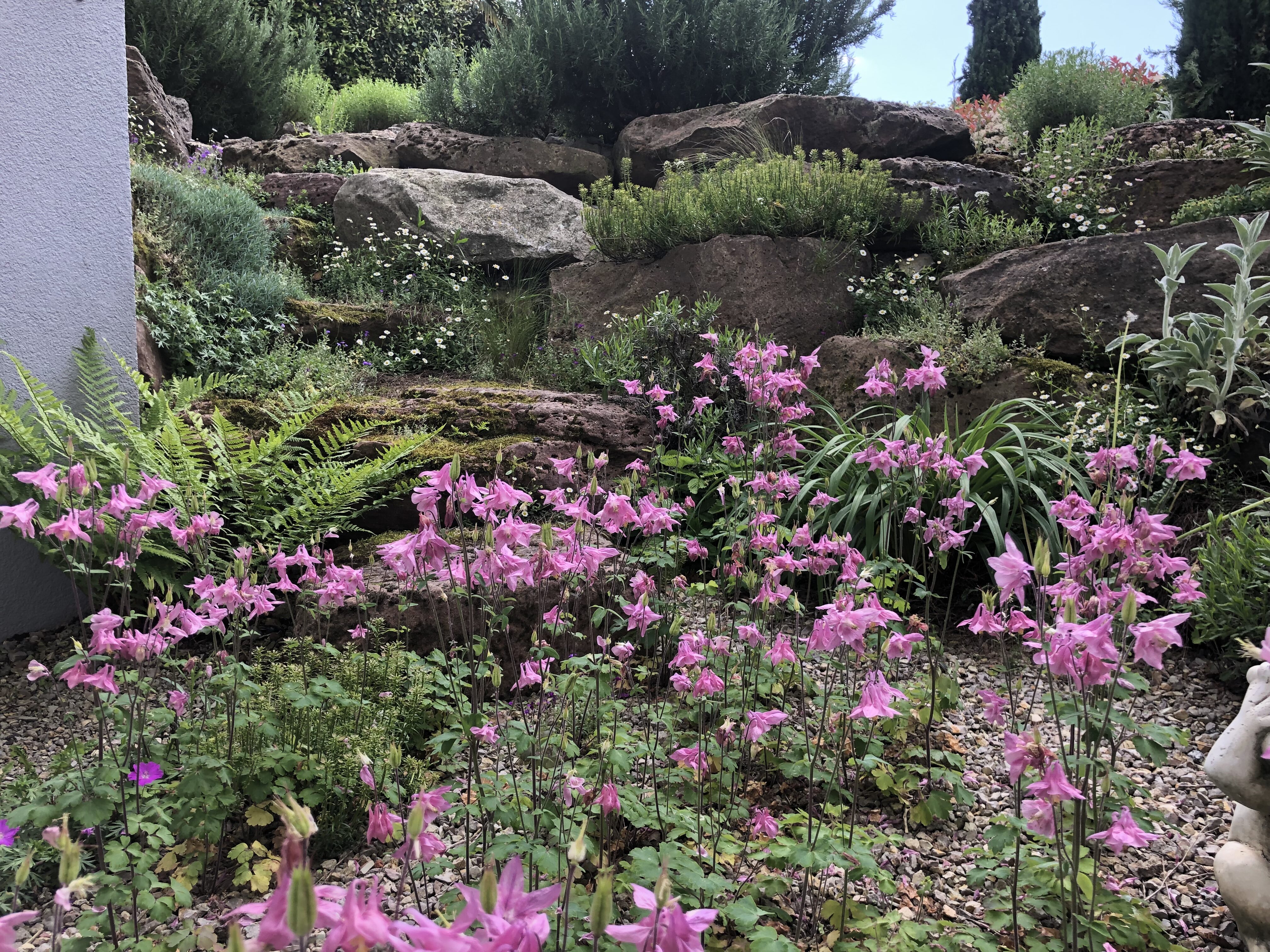
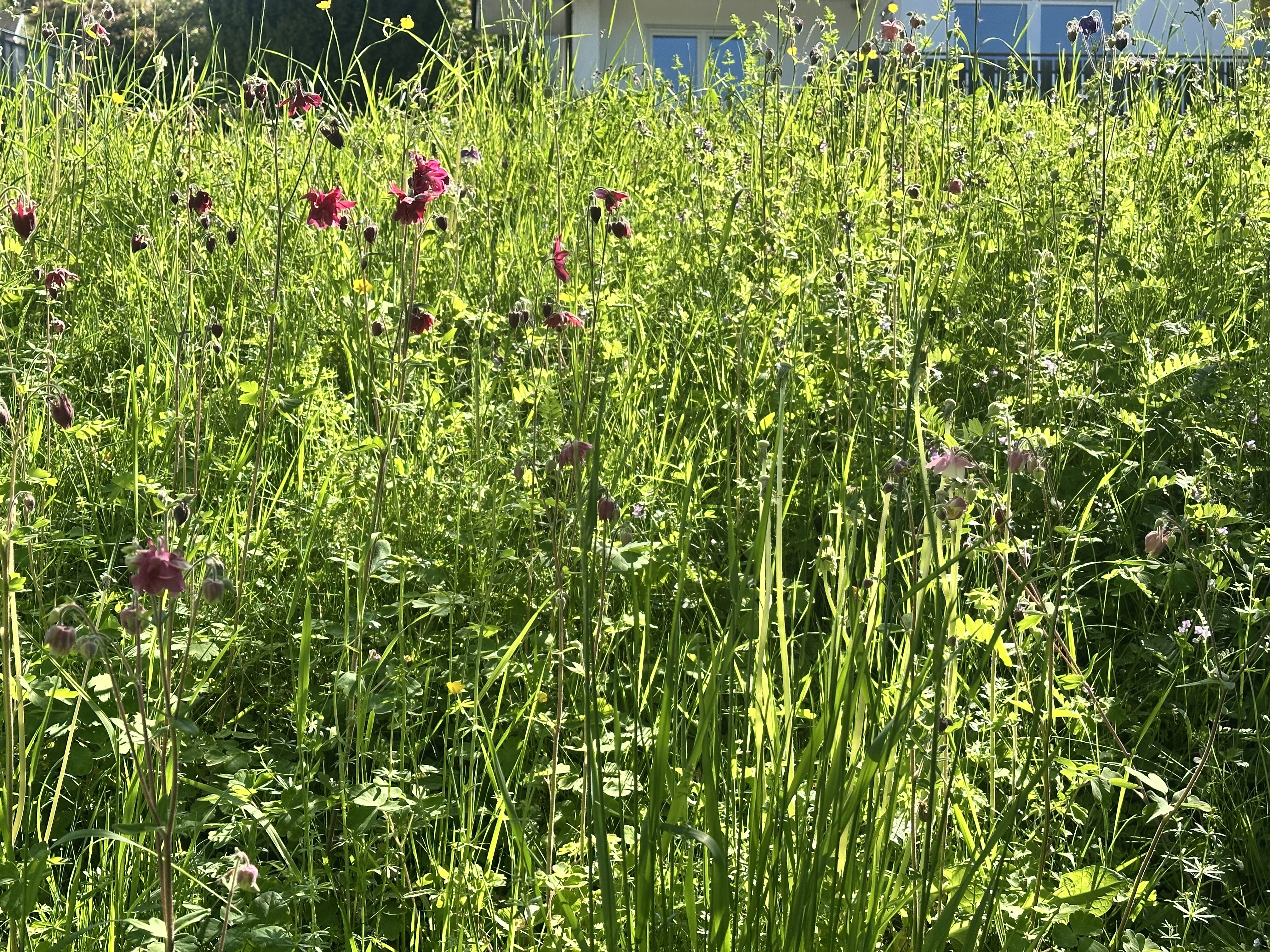
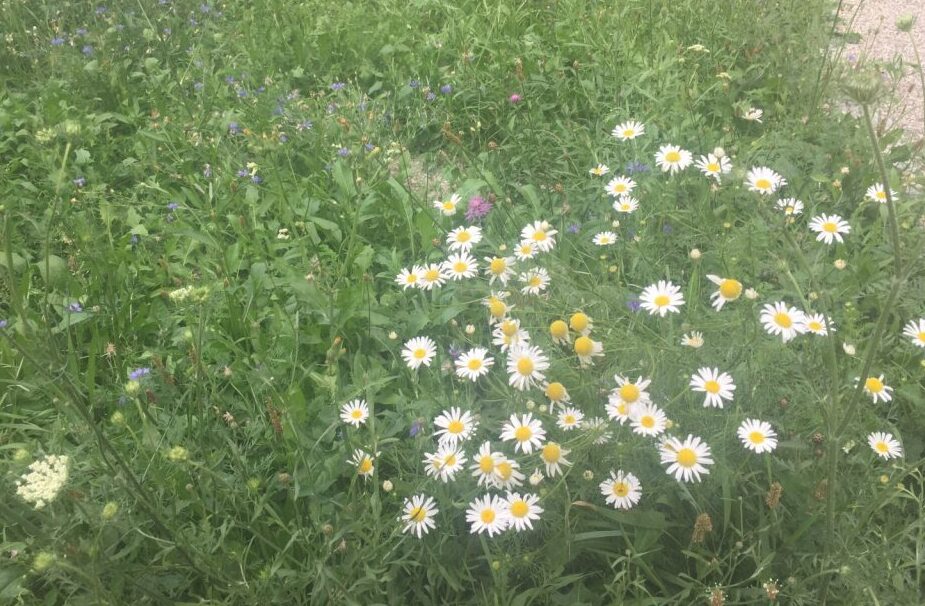
Meadow flowers bring vitality and biodiversity to the garden. It’s a joy to watch wild bees and numerous insect species visit the garden. Creating a small meadow is inexpensive and easy to maintain. It only needs to be mowed 2 to 3 times a year. To ensure easy access to all areas of the garden, simply mow a path through the meadow.
Another advantage is water conservation. By creating a meadow instead of a lawn, you can save thousands of liters of water and help counteract the decline of natural habitats.
When creating the meadow, we take the site into account (soil composition, sunlight exposure, and expected precipitation). Based on this, we select the appropriate seed mix featuring native species and mow it gently in patches at times that correspond to the species composition. The clippings are left on the ground for a few days, allowing insects to migrate to the unmowed patches. Finally, the clippings are removed.
Whether as a path or garden bed border, a beetle shelter, a pile of deadwood, a Benjes hedge, standing deadwood, or custom-designed seating areas, deadwood provides diverse habitats for birds, insects, amphibians, and small mammals, thereby promoting biodiversity in the garden. In addition, deadwood supports the natural nutrient cycle and serves as a water reservoir.